Charming Cute Animal Doctors for Children Clipart
In the world of children's design, visual tone is everything. When creating materials for a young audience, the goal is often to evoke trust, comfort, and a sense of gentle fun. This is precisely where Cute Animal Doctors for Children Clipart shines. This collection isn't just a set of images; it's a visual language that communicates care and friendliness through a whimsical, hand-painted aesthetic. For designers, publishers, and creators, understanding the nuance of this style is the first step to using it effectively.
Understanding the Whimsical Watercolor Style
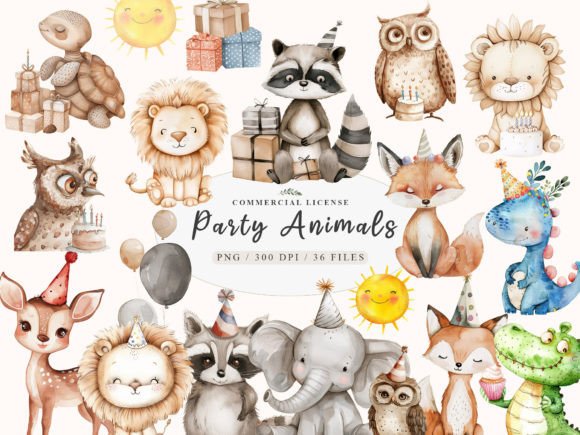
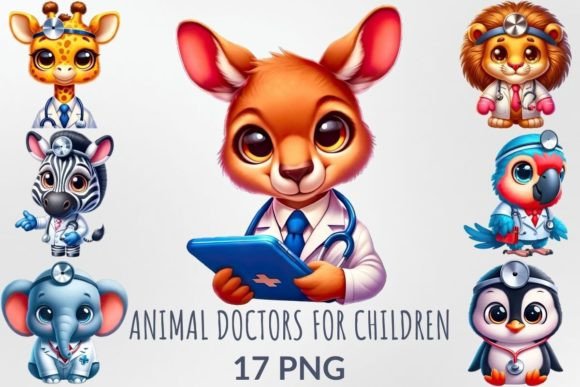
The core appeal of this clipart collection lies in its watercolor technique. Unlike flat vector graphics, watercolor brings a soft, organic texture that feels warm and approachable. Each character, from a wise owl in spectacles to a cheerful panda with a stethoscope, is rendered with subtle color bleeds and gentle brushstroke variations. This creates a sense of handcrafted authenticity that digital art often lacks. The personality of each animal doctor is key—they are depicted as friendly helpers, not stern authority figures. This visual strategy is crucial for projects aimed at easing children's anxieties, such as in pediatric office decor or educational health materials.
From a design perspective, this style functions much like a handwritten font or a script font in typography. It carries a personal, human touch that builds immediate emotional connection. However, unlike a complex typeface that might sacrifice readability for style, these illustrations prioritize clear, recognizable shapes. The animals are instantly identifiable, and their medical accessories are simplified for clarity. This balance makes them powerful design assets that serve both an aesthetic and a functional purpose.
Strategic Applications for Maximum Impact
Knowing where to deploy these charming characters is as important as the art itself. Their strength lies in applications where warmth and approachability are paramount. Consider using them for:
- Educational & Editorial Design: They are perfect for children's storybooks, activity worksheets, and health-themed educational posters. The illustrations can guide a narrative, acting as visual anchors that make learning about hygiene or visiting the doctor less intimidating.
- Brand Identity & Packaging: For a children's clothing line, a toy brand, or a family-friendly bakery, incorporating a single animal doctor into the logo or packaging design can inject instant character. It creates a memorable brand identity that feels nurturing and playful.
- Digital Marketing & Social Media: In a crowded digital space, these illustrations stand out. Use them as custom avatars, engaging stickers for Instagram Stories, or eye-catching elements in email newsletters. They add personality to social media graphics and can increase engagement by making content feel more relatable and shareable.
- Product & Print-on-Demand: The collection's versatility extends to commercial products. Through sublimation printing, these designs can adorn mugs, t-shirts, tote bags, and nursery wall art. For small business owners, this offers a low-risk way to create a cohesive product line with a strong, recognizable theme.
Practical Integration and Design Considerations
Integrating clipart effectively requires a designer's eye for composition and hierarchy. These illustrations are display elements by nature—they are meant to capture attention. Therefore, they should be used strategically to support, not overwhelm, your primary message. A common technique is to use one main character as a focal point and smaller supporting elements, like a stethoscope or a bandage icon, as subtle accents.
Font pairing is critical when combining these visuals with text. To maintain readability and visual harmony, pair the whimsical clipart with clean, simple typefaces. A friendly sans serif font for body copy or a rounded, legible serif font for headlines can create a beautiful contrast. Avoid pairing them with overly ornate or complex script fonts, as this can create visual competition and reduce clarity. The goal is a balanced hierarchy where the illustration and the text complement each other.
Finally, always consider the practicalities. Ensure you are using the collection in a way that aligns with its licensing, especially for commercial projects. Test how the colors of the clipart interact with your overall color palette—watercolor hues can sometimes be unpredictable. By viewing these Cute Animal Doctors for Children Clipart not just as decorations but as strategic components of your visual communication, you can craft projects that are not only beautiful but also deeply effective in connecting with your audience.