Bringing Wild Charm to Your Projects with Tiger Clipart
The Visual Appeal of Hand-Drawn Character
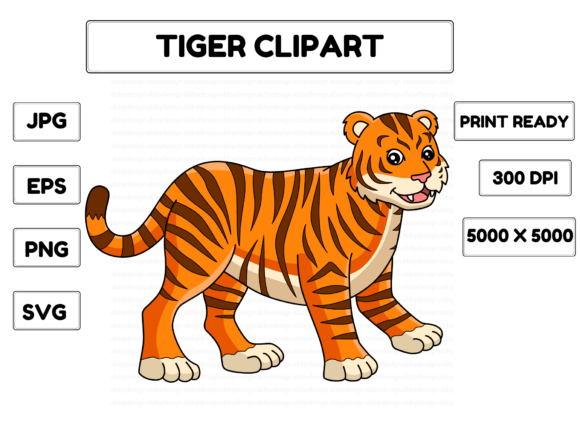
There’s a distinct warmth to illustration that feels personal and crafted. This particular Tiger Animal Cartoon Colored Clipart captures that essence perfectly. It’s not a generic, mass-produced graphic you’ll see on a dozen other websites. Instead, you’re getting a unique, hand-drawn design that carries the subtle imperfections and personality of a real artist’s touch. The style is decidedly cute and approachable, steering clear of realistic ferocity for a more friendly, engaging character. Think of the kind of illustration that makes a child smile or adds a playful, whimsical note to a brand aimed at families, education, or pet care. The coloring is vibrant and full, designed to pop off the page or screen without being garish. This isn't just a tiger; it's a character with potential personality, waiting for you to give it a role in your next creative narrative.
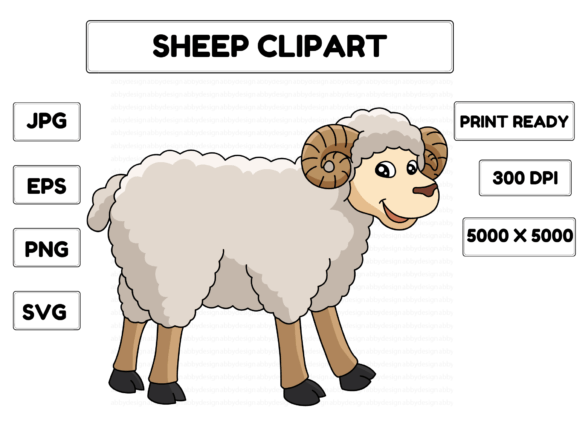
The technical foundation here is just as thoughtful as the artistic one. Providing the clipart in four versatile file formats—JPG, EPS, SVG, and PNG—shows a real understanding of how designers and creators actually work. The PNG with a transparent background is a lifesaver for layering the tiger over other elements in your compositions. The EPS and SVG formats are vector-based, meaning you can scale this tiger to the size of a billboard or a tiny favicon without losing an ounce of crispness. For print-heavy projects, the 5000 x 5000 pixel dimensions at 300 DPI for the JPG and PNG files are a professional standard, ensuring your prints are sharp and clear, whether you're creating a poster or a product label. This combination of artistic charm and technical readiness makes it a genuinely useful design asset, not just a pretty picture.
Where This Tiger Finds Its Stripes: Practical Applications
So, where does a character like this actually work? The applications are broader than you might initially think. In branding and logo design for businesses in the children’s sector, educational apps, tutoring services, or even a playful pet store, this tiger can become the cornerstone of your brand identity. It immediately communicates friendliness, energy, and approachability. For marketing and social media graphics, it’s a fantastic tool for grabbing attention. Use it as a mascot in your Instagram stories, a featured image in a blog post about wildlife conservation (in a light, educational way), or as part of a promotional graphic for a children’s event. The high-quality print-ready specs mean you can confidently use it for packaging design—imagine this tiger on a box of animal crackers, a children’s book cover, or a line of greeting cards.
For publishers and content creators, the value is in its ability to break up text and add visual interest. A blogger writing about safari adventures, a teacher creating a worksheet, or a YouTuber designing a thumbnail will find this clipart adds a specific, consistent visual hook. In the realm of crafting and hobbyist projects, the possibilities are even more personal. Think custom t-shirts, party invitations, scrapbook pages, or nursery wall art. The fact that it’s a unique, hand-drawn piece means your project won’t look like it was assembled from the same free icon set everyone else uses. It adds a layer of originality and care, which is often the difference between a generic project and one that feels special.
Integrating the Asset: Design Considerations and Smart Pairings
Using any creative font or graphic asset effectively is about context and composition. This tiger isn’t a subtle background element; it’s a focal point. Therefore, the typography and other design elements you pair with it should support, not compete with, its playful energy. A clean, modern sans serif font for body text or a friendly, rounded display font for headlines would complement its style well. Avoid overly formal serif fonts or intricate script fonts that might clash with its cartoonish simplicity. Think about visual hierarchy. If the tiger is large and prominent, your text needs to be clear and legible enough to not get lost. This is where font pairing becomes crucial—the goal is a harmonious balance between the character of the illustration and the voice of your text.
From a practical standpoint, always consider your project’s medium. For web design, the SVG or PNG formats are ideal. For editorial design or high-resolution print, the EPS vector or the 300 DPI raster files are your go-to. Before committing, do a small test. Place the tiger in a mock-up of your intended design. Does it feel cohesive? Does it support the message? Does it resonate with your target audience? For a project aimed at adults, you might use it more sparingly as an accent. For a project for kids, it can be front and center. Also, be mindful of licensing for commercial use, which is typically handled clearly by reputable asset providers. This Tiger Animal Cartoon Colored Clipart is more than just a cute image; it’s a versatile, professional-grade tool. When chosen thoughtfully and integrated with an eye for design principles, it can inject a dose of memorable, wild charm into a wide array of creative work, helping your project stand out with genuine personality.